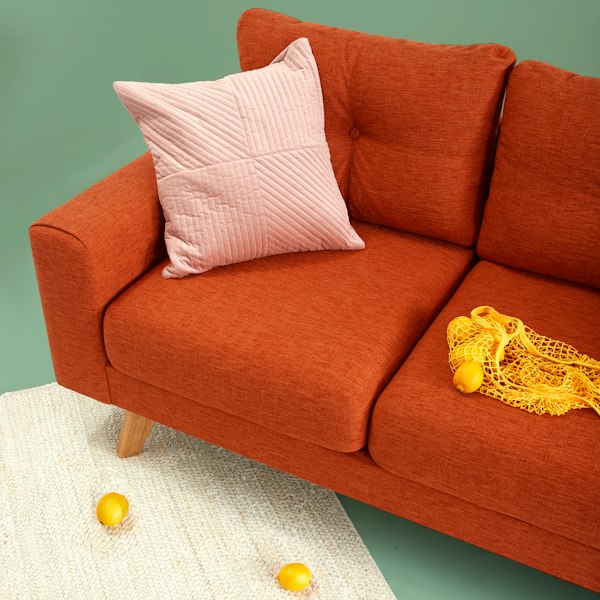
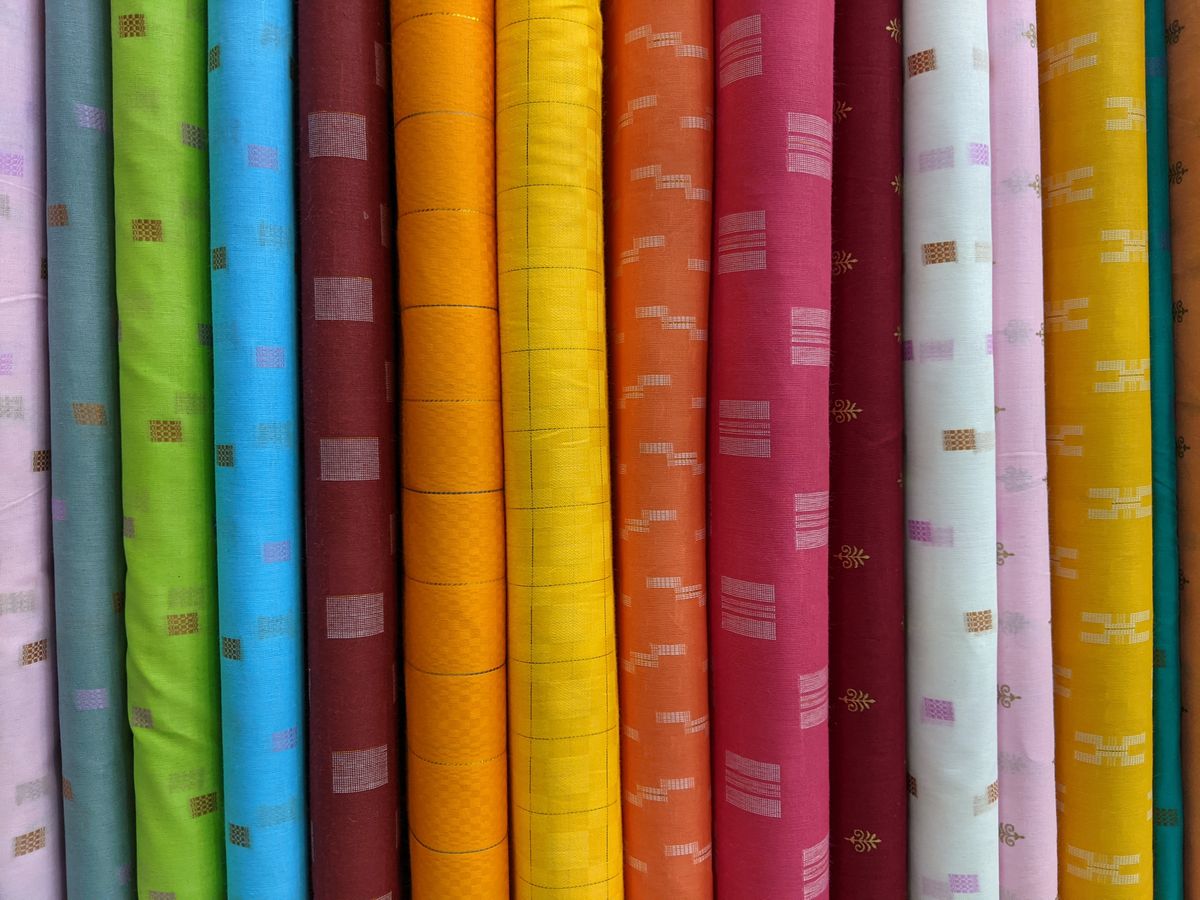
Luxurious chenille fabric texture showcasing its characteristic soft, tufted weave
The Chenille Fabric Institute

The world's most beloved upholstery fabric.

Explore the definitive guide to chenille — from its French origins to modern manufacturing. Understand types, applications, care, and why designers worldwide choose chenille for timeless interiors.

150+
Years of Chenille Heritage
40%
Global Upholstery Market Share
100K+
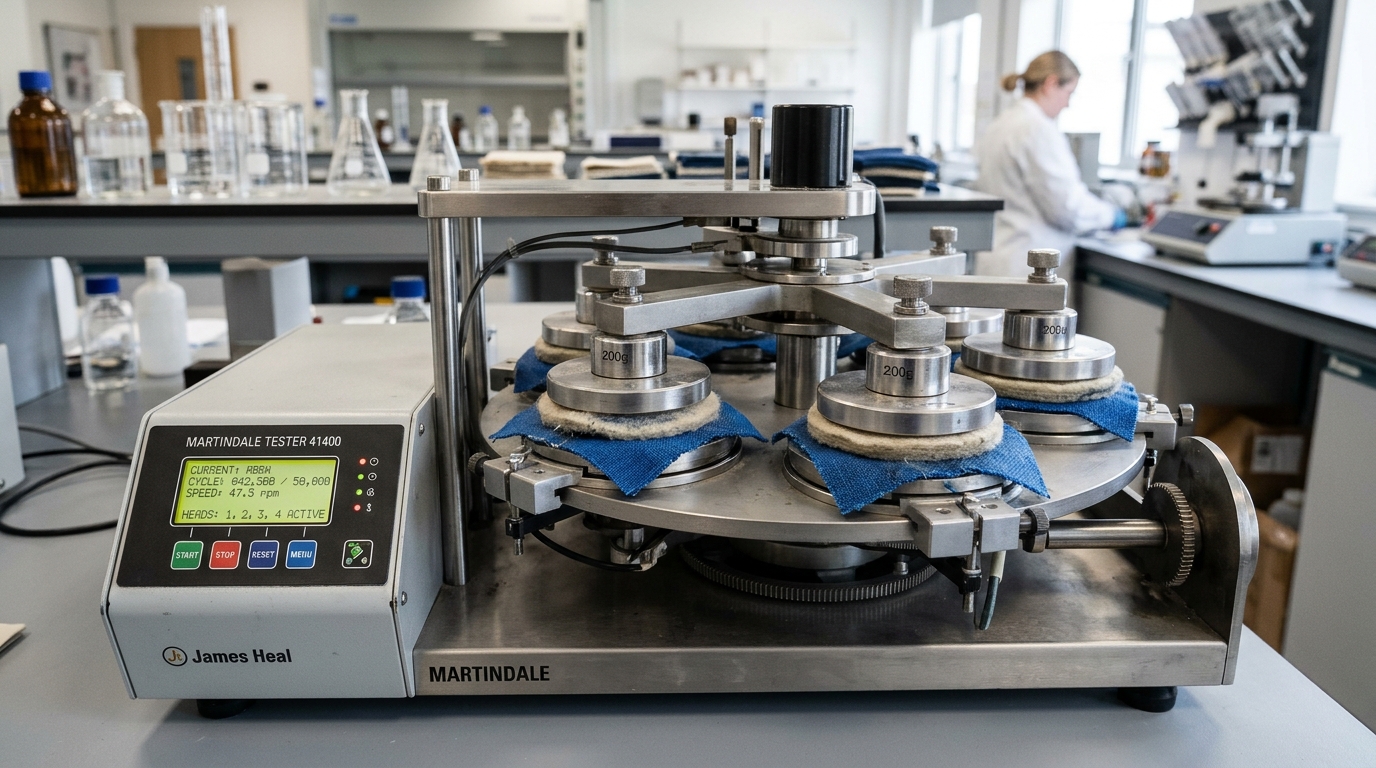
Double Rub Durability Rating
50+
Countries Where Chenille is Produced
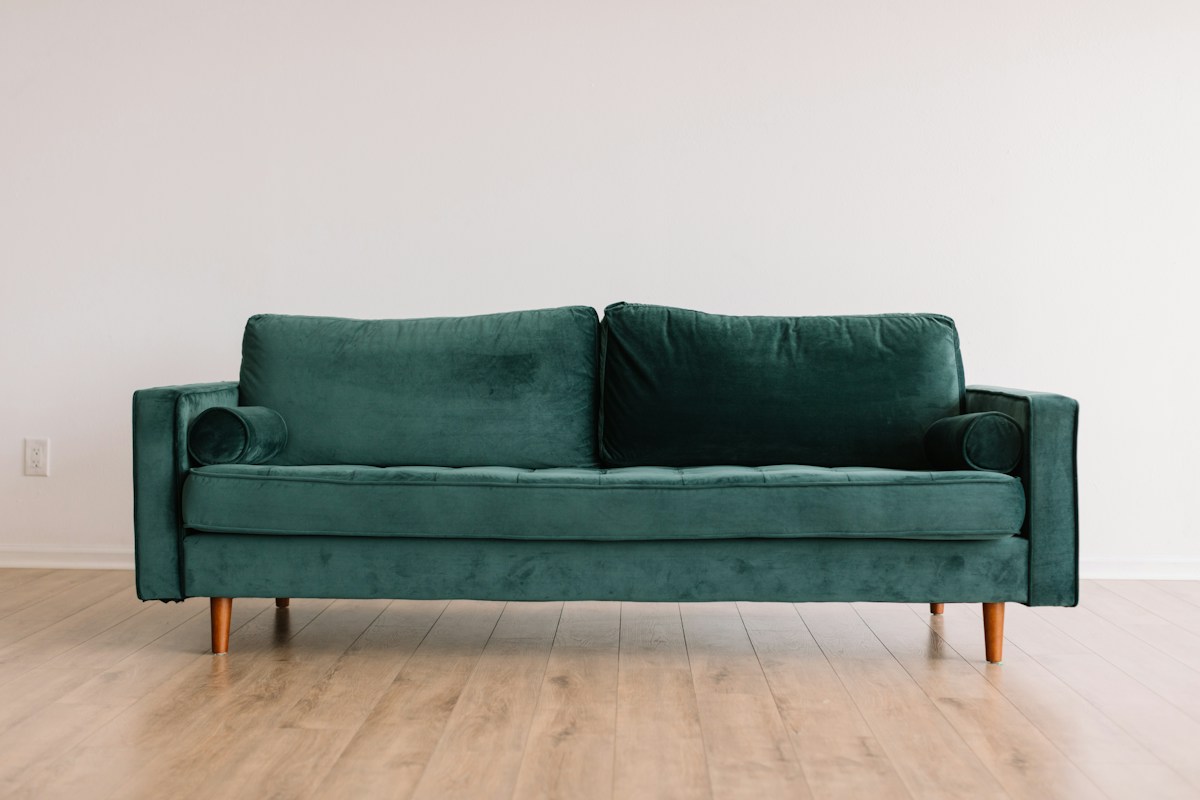
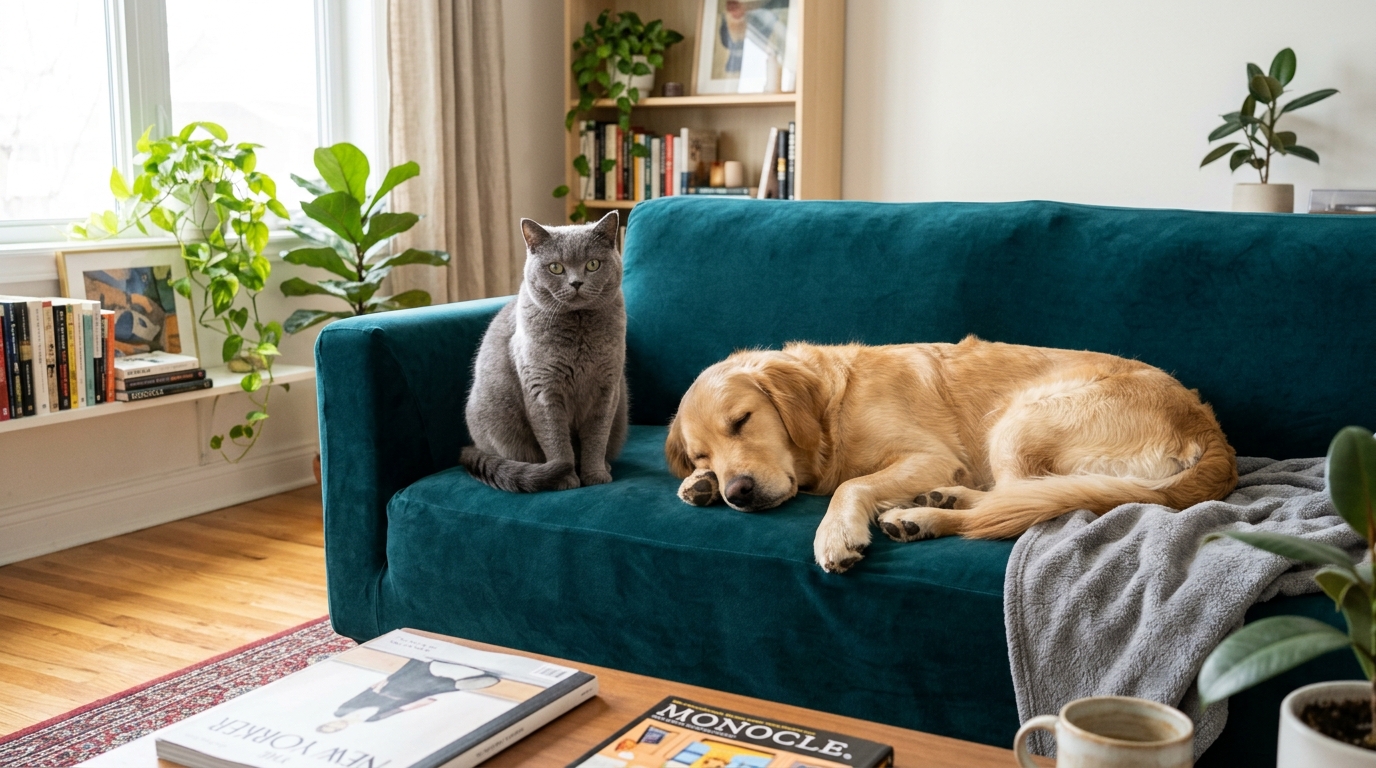
Elegant green chenille sofa in a contemporary living room setting
Understanding Chenille

What is Chenille Fabric?

Chenille (pronounced shuh-NEEL) is a luxuriously soft, textured fabric prized for its velvety feel and rich visual depth. The word comes from the French "chenille" meaning "caterpillar" — a reference to the fuzzy, caterpillar-like yarn at the heart of its construction.

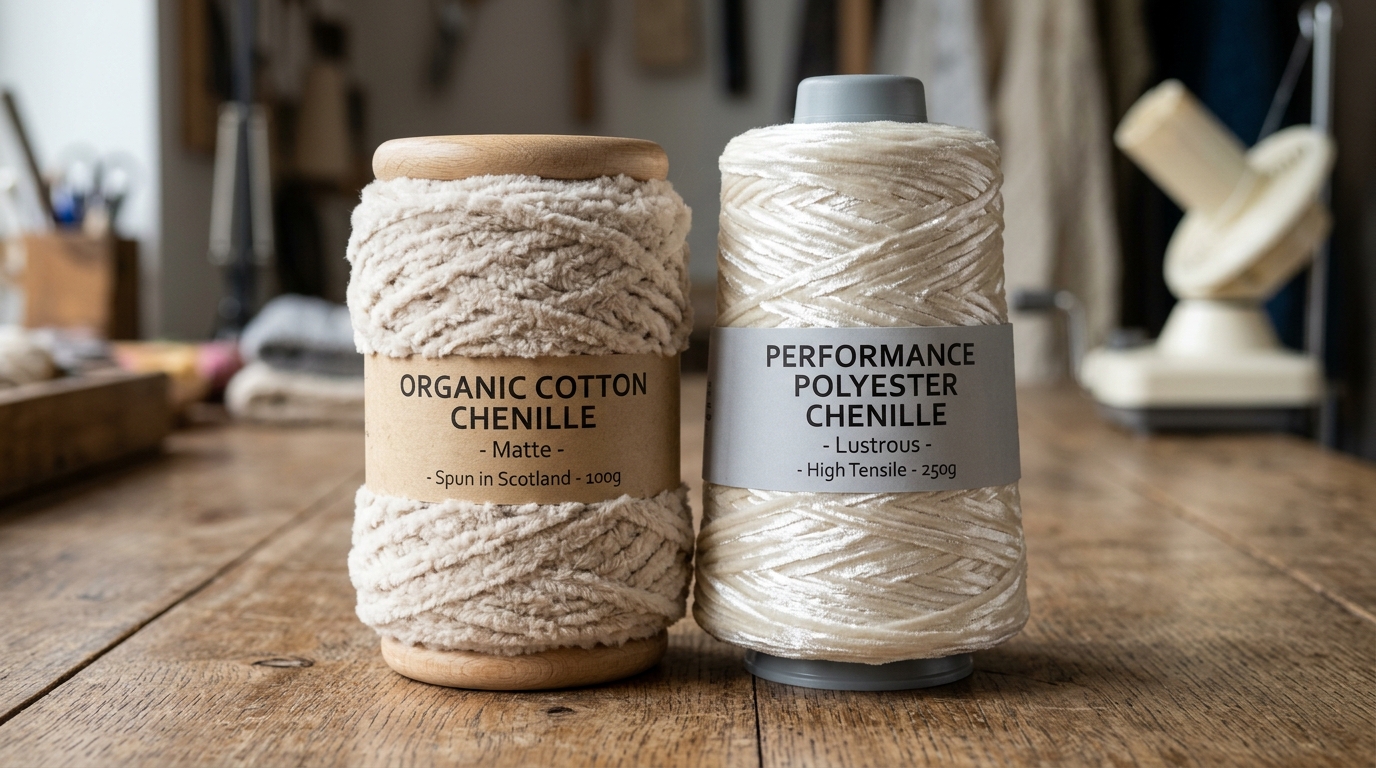
Unlike flat-woven fabrics, chenille is crafted using a specialized tufting process. Short lengths of yarn are woven between two core yarns, which are then twisted together and cut to create a distinctive soft pile. This unique construction gives chenille its signature plush texture, excellent drape, and the ability to catch light at different angles — creating a subtle iridescent effect.

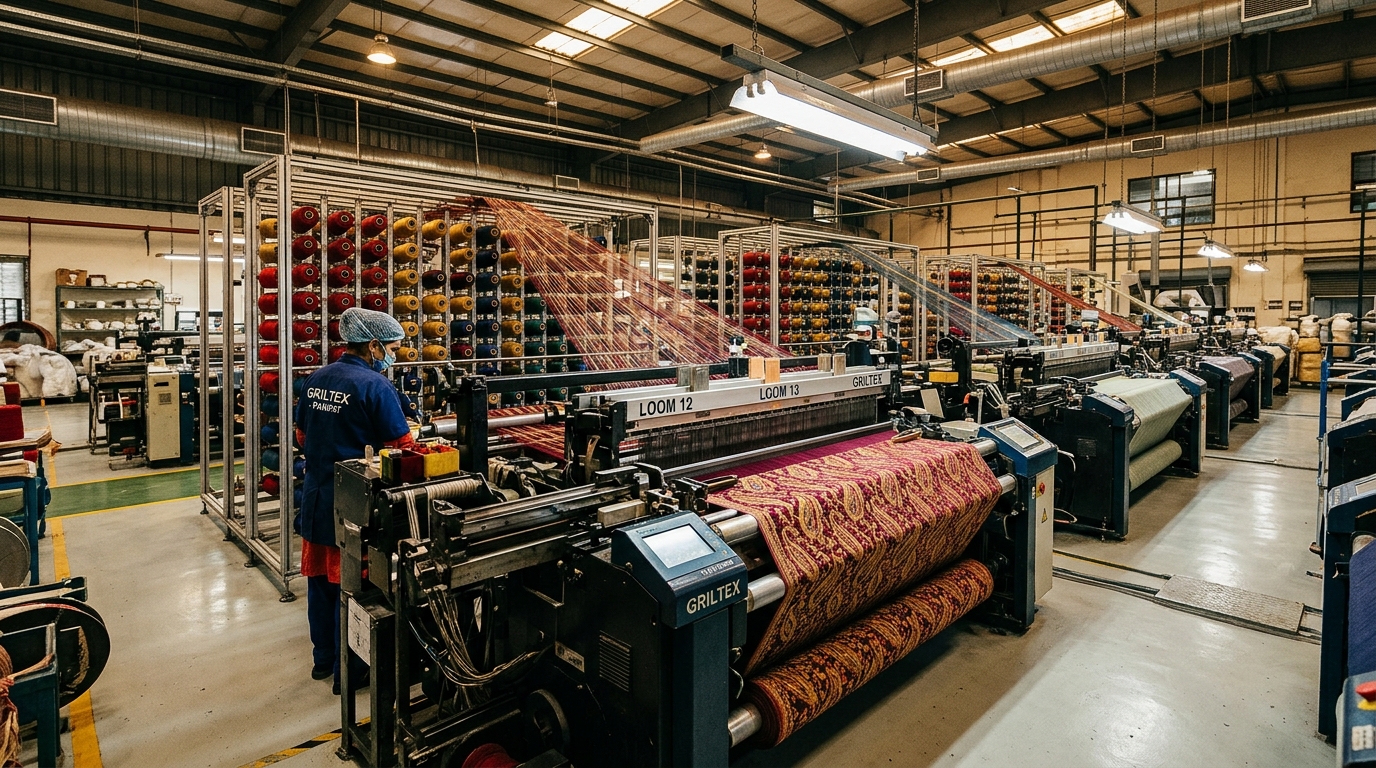
Originating in 18th-century France, chenille has evolved from a luxury textile into one of the most widely used upholstery fabrics globally. Today, India — particularly the Panipat textile cluster in Haryana — is among the world's largest producers of chenille upholstery fabric, exporting to markets across North America, Europe, the Middle East, and beyond.
Exceptionally Soft
Highly Durable
Colour Retentive
Versatile Applications
Fabric Varieties

Types of Chenille Fabric

Chenille comes in a range of compositions and weave structures, each suited to different applications and price points.

Polyester chenille upholstery on a modern sofa
01

Polyester Chenille

The most popular variety for upholstery. Polyester chenille offers exceptional durability, stain resistance, and colour fastness. Ideal for everyday furniture, it maintains its softness through years of use while being the most affordable option.

Cotton chenille fabric draped over furniture
02

Cotton Chenille

Natural and breathable, cotton chenille is popular for throws, bedspreads, and lighter upholstery. It has a more relaxed, casual texture compared to polyester and is preferred for bedding applications where breathability matters.

Viscose blend chenille with lustrous sheen
03

Viscose & Blended Chenille

Viscose blends add a silky sheen and enhanced drape to chenille. Poly-viscose and poly-cotton blends combine the best properties of each fibre — durability, softness, and a luxurious lustre that elevates any interior.

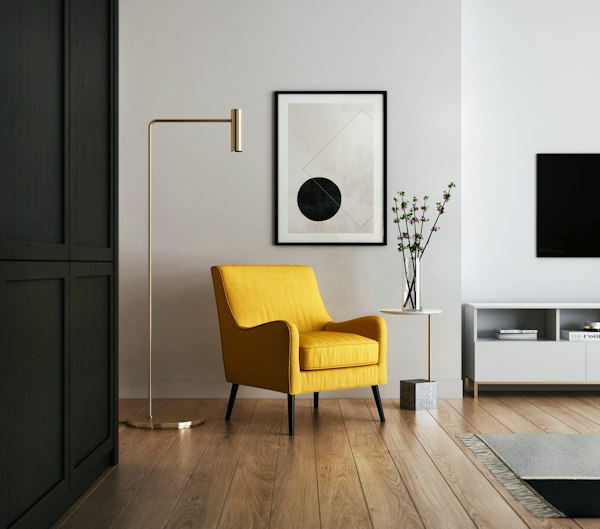
Micro-chenille on a contemporary accent chair
04

Micro Chenille

A finer-denier variation with a smoother, more uniform surface. Micro chenille is lighter, more pliable, and increasingly popular for modern minimalist interiors. It offers a contemporary alternative to traditional chenille textures.

Jacquard chenille with decorative pattern
05

Jacquard Chenille

Chenille woven on a jacquard loom to create intricate patterns — florals, geometrics, damasks, and more. Jacquard chenille combines the tactile softness of chenille with decorative elegance, often used for statement furniture pieces.

Heavy-duty chenille on a commercial sofa
06

Heavy-Duty / Contract Chenille

Engineered for commercial and hospitality applications. Contract-grade chenille achieves 100,000+ double rubs, fire retardancy, and antimicrobial properties. Used in hotels, restaurants, healthcare facilities, and high-traffic public spaces.

Head-to-Head

Chenille vs Other Upholstery Fabrics

How does chenille stack up against velvet, cotton, linen, and leather? Compare key attributes at a glance.

Attribute Chenille Velvet Cotton Linen Leather
Softness ★★★★★ ★★★★★ ★★★☆☆ ★★☆☆☆ ★★★☆☆
Durability ★★★★☆ ★★★☆☆ ★★★★★ ★★★★☆ ★★★★★
Affordability ★★★★☆ ★★☆☆☆ ★★★★★ ★★★☆☆ ★☆☆☆☆
Stain Resistance ★★★☆☆ ★★☆☆☆ ★★★☆☆ ★★☆☆☆ ★★★★★
Ease of Care ★★★★☆ ★★☆☆☆ ★★★★★ ★★★☆☆ ★★★★☆
Colour Variety ★★★★★ ★★★★☆ ★★★★★ ★★★☆☆ ★★☆☆☆
Price Range ₹200–800/m ₹400–1,500/m ₹100–500/m ₹300–1,000/m ₹2,000–10,000/m
Best For Sofas, covers Formal furniture Casual, bedding Curtains, accents Premium seating
Where Chenille Shines

Applications of Chenille Fabric

From living rooms to luxury hotels, chenille finds its place in the world's most inviting interiors.

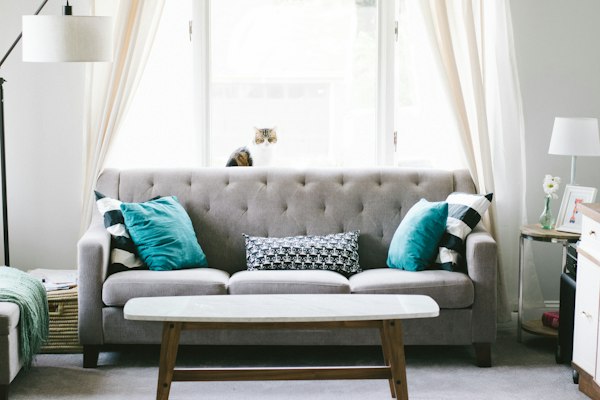
Chenille upholstered sofa in modern living room

Sofa Upholstery

The #1 use case — soft, durable, and stunningly textured.

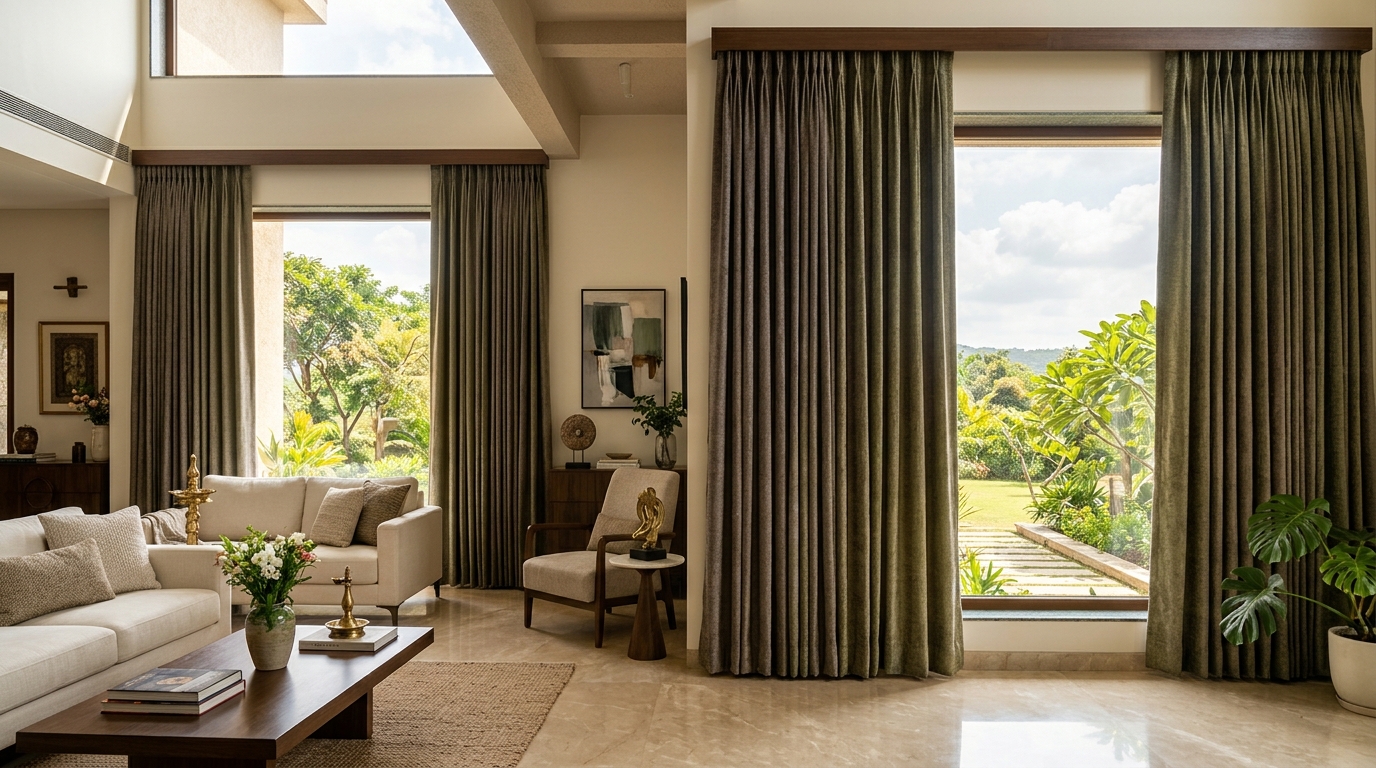
Chenille curtains draping elegantly in a bedroom

Curtains & Drapes

Heavy drape, light filtering, and thermal insulation.

Chenille throw blanket on a reading chair

Throws & Blankets

Cozy comfort for cooler months and layered styling.

Decorative chenille cushions on a sofa

Cushion Covers

Textural accents that transform any seating arrangement.

Maintenance

How to Care for Chenille Fabric

Proper care extends the life of chenille by years. Follow these expert recommendations from our textile specialists.

Regular Vacuuming

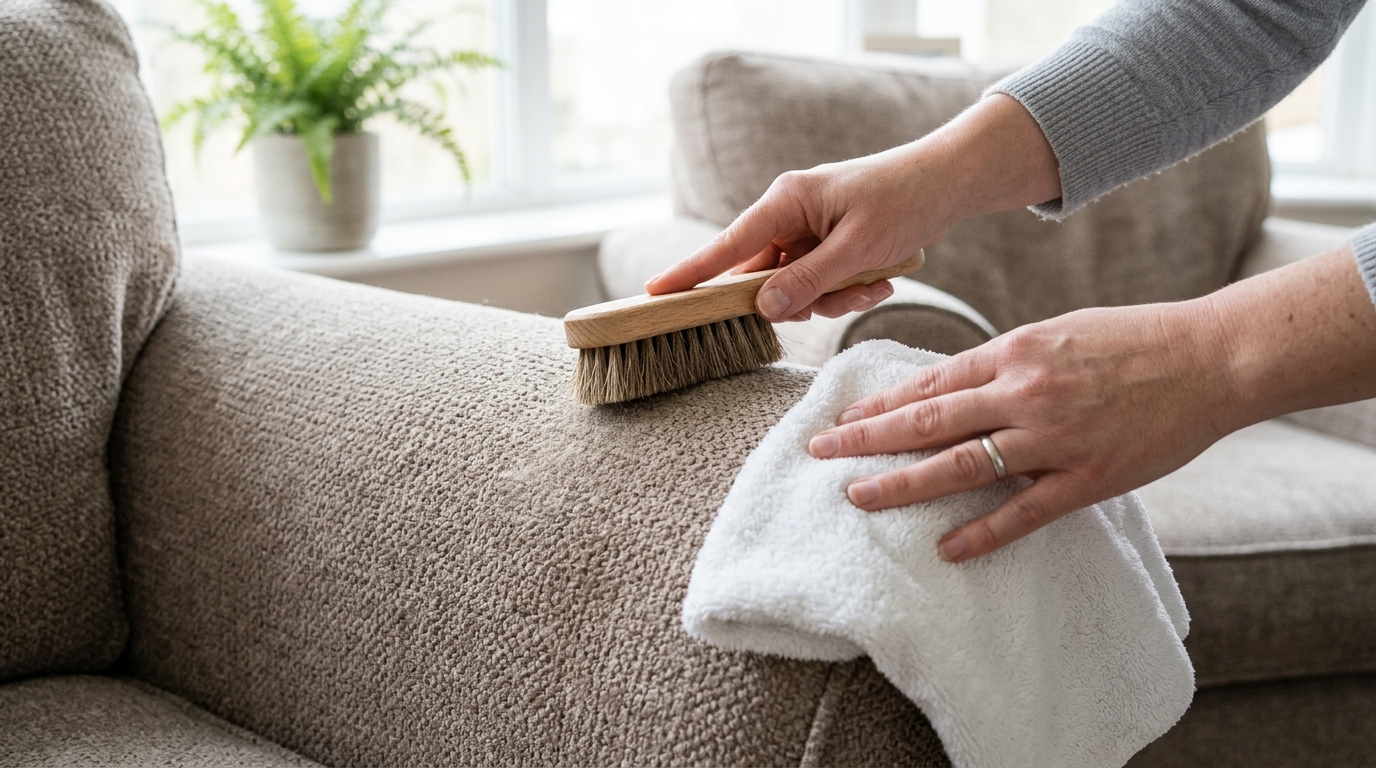
Vacuum chenille surfaces weekly using an upholstery attachment on low suction. Always move in the direction of the pile. This prevents dust from embedding into the fibres and maintains the fabric's loft.

Spot Clean Immediately

Blot spills immediately with a clean, dry cloth — never rub. For stubborn stains, use a mild detergent diluted in lukewarm water. Always test any cleaning solution on a hidden area before applying to visible surfaces.

Protect from Sunlight

Direct, prolonged sunlight can fade chenille fabric over time. Position furniture away from windows or use curtains and blinds to filter UV rays. Consider UV-protective window film for sun-exposed rooms.

Professional Deep Clean

Schedule professional upholstery cleaning every 12–18 months. Professionals use low-moisture techniques that clean thoroughly without damaging the pile. Between professional cleanings, use a fabric-safe foam cleaner.

Have Questions?

Frequently Asked Questions

Expert answers from textile specialists with over 30 years of experience in chenille manufacturing.

Chenille fabric is a textured, tufted woven material known for its exceptionally soft, velvety feel. The word "chenille" comes from the French word for "caterpillar," referencing the fuzzy, caterpillar-like yarn used in its construction. Chenille is made by weaving short lengths of yarn between two core yarns, which are then twisted together and cut to create the characteristic soft pile. It is one of the world's most popular upholstery fabrics.
Yes, chenille is one of the most popular and highly recommended upholstery fabrics for sofas. It offers exceptional softness and comfort, good durability (especially high-density weaves rated at 50,000+ double rubs), a luxurious appearance, and excellent colour retention. Modern chenille fabrics are specifically engineered for sofa use, with features like stain-resistant treatments and enhanced abrasion resistance.
While both chenille and velvet have a soft, plush feel, they differ in construction and characteristics. Velvet is woven on a special loom that creates a dense, uniform pile, resulting in a smooth, lustrous surface. Chenille is made from tufted yarn twisted around a core, creating a more textured, casual appearance. Chenille is generally more affordable, softer to the touch, and easier to care for, while velvet offers a more formal, elegant look with a characteristic sheen. Both are excellent choices for upholstery, but chenille is preferred for everyday furniture while velvet is favoured for formal and accent pieces.
To clean chenille fabric: (1) Vacuum regularly using an upholstery attachment on low suction, (2) Spot-clean spills immediately by blotting with a clean, dry cloth — never rub, (3) For stubborn stains, use a mild detergent diluted in lukewarm water and blot gently, (4) For deeper cleaning, use a fabric-safe foam cleaner, (5) Avoid machine washing unless the care label specifically permits it, (6) If machine-washable, use cold water on a gentle cycle. Always air dry or use the lowest heat setting. Professional upholstery cleaning every 12–18 months is recommended.
Modern chenille fabric is quite durable, especially high-quality variants manufactured for upholstery use. Premium chenille fabrics achieve durability ratings of 50,000 to 100,000 double rubs on the Wyzenbeek abrasion test — well above the 15,000 minimum recommended for residential furniture. The durability depends on weave density, fibre composition (polyester blends tend to be most durable), and manufacturing quality. Contract-grade chenille can exceed 100,000 double rubs, making it suitable for commercial and hospitality environments.
Chenille fabric is manufactured globally, with major production centres in India (Panipat, Gujarat), China, Turkey, and parts of Europe. India's Panipat textile cluster in Haryana is one of the world's largest producers of chenille upholstery fabric, producing for both domestic consumption and export to the United States, United Kingdom, UAE, Europe, and beyond. Companies like Emm Emm Velvet, established in 1995 in Panipat, specialize in manufacturing chenille and other upholstery fabrics for white-label and contract programs worldwide.
Research & Guides

Latest Textile Research & Buying Guides

Authoritative insights from Emm Emm Velvet's testing laboratories and Panipat manufacturing floor.

Source Premium Chenille

Ready to Source Chenille Fabric?

Emm Emm Velvet manufactures premium chenille upholstery fabrics for brands, hospitality projects, and white-label programs worldwide. Request swatches or discuss your project today.